
The Complete Beginner’s Guide To Glass Balustrades
Are you thinking of installing glass balustrades for your NZ home? Well, you’ve come to the right place. This article will inform you about all the things you need to know about glass balustrades—including glass types, dimensions and length, safety concerns, and more.
Before actually deciding to install glass balustrades for your property, it’s important to understand what it is and how it compares to other balustrade materials such as wood, steel, wrought iron, and aluminum.
So, what is a glass balustrade?
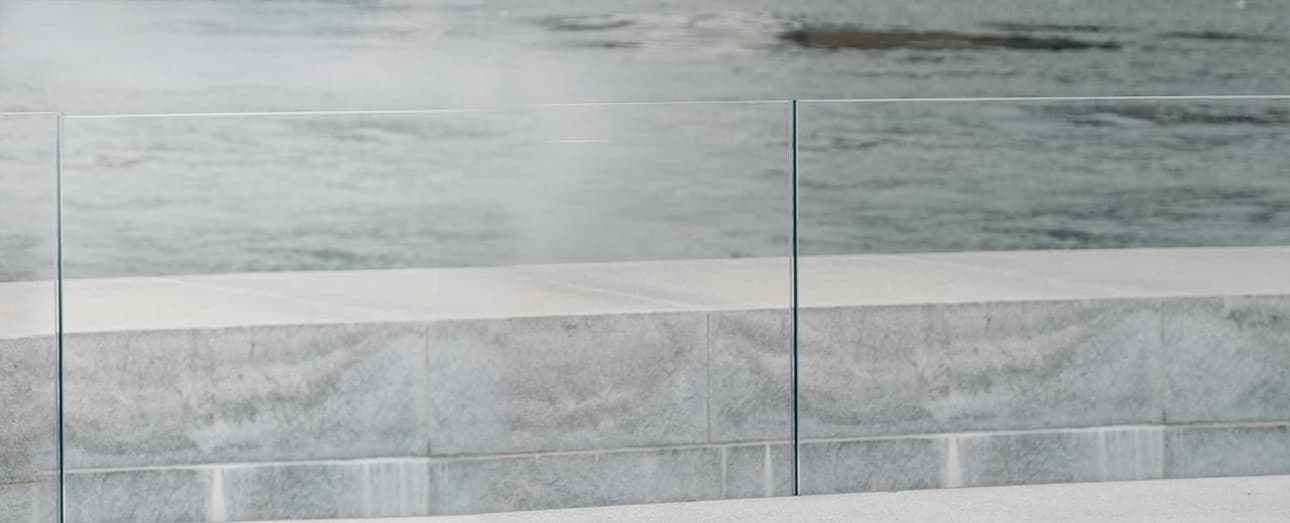
Glass balustrades are frameless glass barriers used for safety concerns in a building or home. Balustrades are used when the difference in floor level is greater than 600mm. They provide direction and a safety guide for people moving through a structure. Most traditional balustrades have a handrail, spindle, base rail, and newel posts. For glass balustrades, instead of spindles, there’s a vertical infill between the handrail and base.
Glass balustrades come in two kinds of glass material. The first is toughened glass or tempered glass which is 4x stronger than normal glass. The second kind of glass is laminated glass. Laminated glass is formed when glass is bonded together to form a single pane.
Are they safe?
Glass balustrades, like other types of materials, offer great protection and support. They can easily take the weight of anything or anyone who knocks into or leans on them. In fact, glass (tempered glass) is even stronger than wood because they don’t “degrade” and are shatter-resistant. If you have small children and pets in your home, glass balustrades can keep them from falling off the edge of your balcony or staircases.
Types of Glass Balustrades
Glass is one of the best paneling materials because of its flexibility and versatility. When it comes to glass balustrades, there are three main types: frameless, post, and point fixed.
Frameless glass balustrades
Frameless glass balustrades are simply glass balustrades that have no posts. Instead, the glass panels are supported using a grooved channel at floor level. In terms of look, frameless is often considered sleeker and classy. They are great for minimalist and modern homes, however, they’re also more expensive.
Post balustrade systems
Post balustrade systems are a series of balustrade posts with glass and glass clamps. The clamps used are usually in D or square shape depending on whether the post is fixed, round, or flat.
Point fixed glass balustrade
Point fixed glass balustrades are what give the ‘all-glass’ frameless appearance. All the glass panels are fixed in one position by point fixing clamps. They are often used for Juliet balconies and glass railings.
Different Parts of a Glass Balustrade
Glass panels
Glass panels are made from tempered glass which is usually 8mm-10mm thick. The process of building tempered glass is called ‘quenching’. This process makes glass 4x strong than its original strength.
Base channel
This part can be found at the base of the balustrade. They’re where glass panels are slotted into. Most base channels for glass balustrades are made of aluminum.
Infill panel
Infill panels are part of the balustrade which forms the barrier. It can be made from metal, glass, and even plastic. Also, not all balustrades have infill panels, some balustrades have spindles, rails, wires, etc.
Handrails
Handrails are another important feature of glass balustrades. As its name suggests, handrails are designed for hand use. They are fixed at the top part of the balustrade for people to hold on to. Often found in staircases, they provide support for people ascending or descending the structure. Handrails reduce the risk of injurious falls when accessing stairs.
Glass clamp
Glass clamps are made with either nickel or chrome and are used as a fixing option for handrails. They also often come with rubber gaskets to hold glass panels securely.
Where Can You Place Glass Balustrades?
Glass balustrades are all the rage these years! Almost all modern houses in NZ have them right now, and if you don’t have them in your home, then you’re totally missing out. Here are some of the best places to put glass balustrades.
Staircase
Suitable for modern homes, glass balustrades on staircases are a stylish alternative to the typical wooden balustrades. Aside from it looking absolutely stunning, it also allows more light to fill in your home. This is great if you have dark hallways and want more light to spread inside your abode.
Pools
If you’re lucky enough to have your own pool, then you should invest in glass balustrades to enjoy it safely. Glass balustrades around the pool can prevent pets and kids from falling and drowning. It’s also a design feature and will certainly offer a higher resale value if ever you decide to put your home for sale.
Balconies
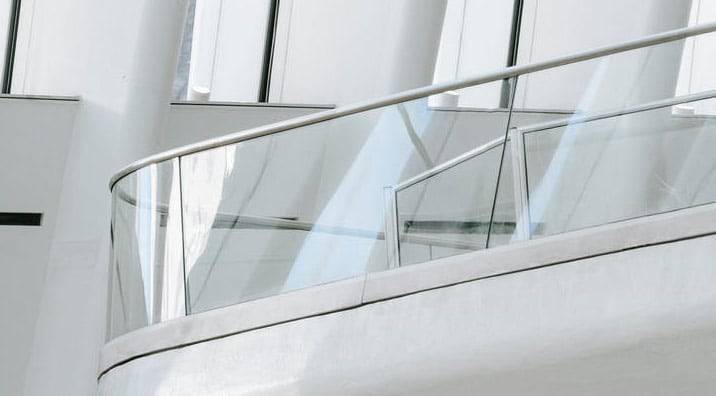
Glass balustrades in your balconies can make your home exterior look luxurious and clean. It’s also a great safety addition especially if you have pets or little kids at home. If you have a garden, a glass balustrade on your balcony can also create the illusion of a larger garden space. It’s a total must-have!
Advantages of Glass Balustrades
Eco-friendly
Glass is one of the most environmentally-friendly materials. It lasts for ages and is easy to dispose of and recycle. They also help with climate change by saving precious natural resources.
Durable
Glass balustrades are incredibly durable. Unlike wood, they won’t rot or change in form from exposure to weather. They won’t also be infested by pests or stained by rust. They will also never fade in color if maintained properly.
Sleek and elegant looking
Although other materials such as steel or wood are also ideal for protection, glass balustrades are undoubtedly more elegant and sophisticated in appearance.
Maximize light and space
Because glass is reflective, they also make spaces look brighter and bigger—making them the best barrier choice for decks and patios. Plus, they suit many modern homes and offices.
Easy maintenance
Glass balustrades have wide smooth panes that can easily be wiped using a cloth. This makes them easier to clean and polish unlike wood or iron balustrades.

